
Disclosure: some links on souqFirst are affiliate links. If you buy through them we may earn a commission at no extra cost to you. See our Affiliate Disclosure.
A small pantry does not need a renovation. Most of the time it needs a little planning, a few containers that fit, and a habit of putting things back in the same place. This plan works for a narrow closet pantry, a cabinet or a few open shelves.
Step 1: Empty it and check dates
Take everything out and wipe the shelves. Throw away anything expired and group what is left: baking, grains and pasta, canned food, snacks, breakfast, oils and sauces. Seeing the full picture shows you what you actually use.
Step 2: Measure before you buy anything
Measure shelf width, depth and the height between shelves. Write the numbers on your phone. Most buying mistakes come from containers or racks that are a little too deep or too tall. If you are shopping for a pantry storage organizer, shelf depth is the number to check first.
Step 3: Decant dry goods you open often
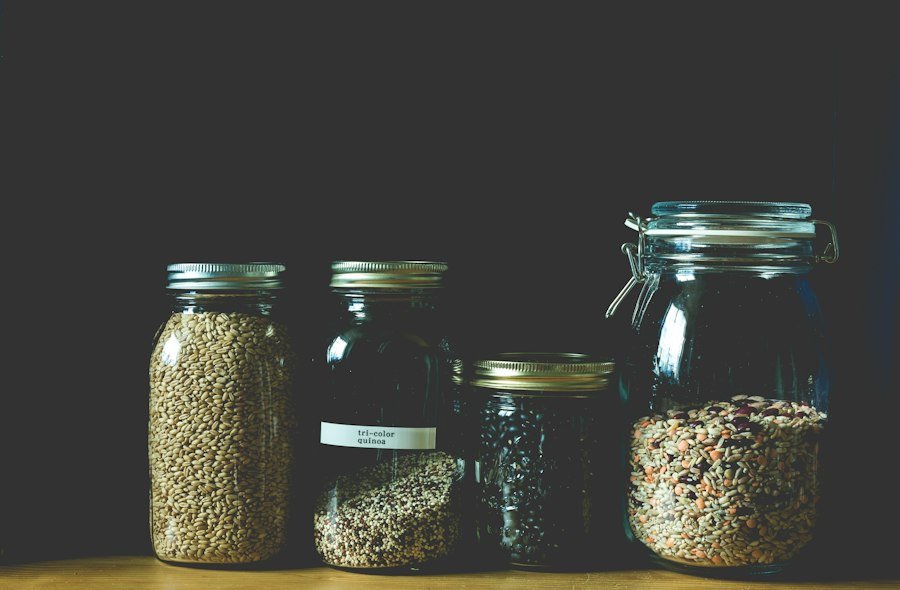
Flour, rice, sugar, oats and pasta stay easier to see and easier to pour when they live in clear containers. Look for a tight lid or a gasket seal if you want food to stay fresh longer. A matching set of airtight glass storage jars also makes a shelf look tidy. Keep the original package label or write the date on the jar so you know when you opened it.
Step 4: Zone the shelves
- Eye level: everyday items such as breakfast, snacks and the things you grab daily.
- Low shelves: heavy items like canned food and bulk bags.
- High shelves: light or rarely used items such as extra paper goods or party supplies.
- Door or side wall: spices, small packets and foil or wrap, if space allows.
Step 5: Label and rotate
Use simple labels so everyone in the house puts things back in the right place. When you buy new items, place them behind the older ones so the oldest food is used first. A ten-minute check once a month keeps the pantry from sliding back into clutter.
Quick buying checklist
- Does it fit your shelf depth with a little room to spare?
- Is the material easy to wipe clean?
- Are the lids easy to open with one hand?
- Can you stack it, or will it waste vertical space?
For drawers and cutlery, see our guide to a calmer kitchen with better storage, or browse the shop for storage picks.
Leave a Reply